
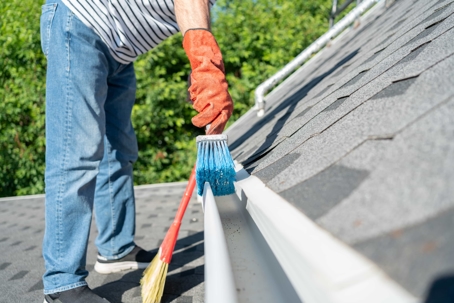
Spring in Florida brings more than just blooming flowers; it brings heavy afternoon downpours and the start of storm awareness. After a long winter, your home’s first line of defense might have some hidden wear and tear that could lead to big problems when the rain starts falling. Taking a little time now to check on your roof can save you a lot of money and stress later in the year.
1. Start with a Ground-Level Inspection
You don’t need to climb a ladder to get a good idea of your roof’s health. Many common issues are visible right from your front yard or sidewalk. Grab a pair of binoculars if you have them and take a slow walk around the perimeter of your home.
Look closely at the edges and the flat surfaces for anything that looks out of place. It is much easier to fix a small shingle issue now than to deal with a major leak in the middle of a thunderstorm.
Check for these specific visual cues from the ground:
- Shingles that are curling up at the edges or look like they are buckling.
- Dark patches or “dirty” looking spots, which usually mean the protective granules have worn off.
- Missing pieces of material, especially after a windy day.
- Large amounts of sand-like grit piling up at the bottom of your downspouts.
2. Clear Out the Gutter System
Your gutters are like the plumbing for your roof. Their only job is to carry water away from your home’s foundation and walls. When they get clogged with leaves, pine needles, or debris, the water has nowhere to go but up and under your shingles.
Clean gutters prevent “backflow,” which is when water sits against the edge of your roof and rots the wood underneath. This is one of the most common causes of preventable leaks in Jacksonville homes.
To ensure your system is flowing correctly, follow these steps:
- Remove all physical debris from the channels by hand or with a small scoop.
- Flush the gutters with a garden hose to check for hidden clogs in the downspouts.
- Observe if water is pooling in certain areas, which might mean the gutters are sagging.
- Ensure the downspout extensions are directing water at least three feet away from your house.
3. Inspect the Flashing and Seals
Flashing is the thin metal material installed around chimneys, vents, and where roof sections meet. It is designed to redirect water away from these sensitive joints. Over time, the sealant around these areas can dry out and crack due to the intense Florida sun.
If the flashing is loose or the caulking is peeling, rain will find its way into your attic almost immediately. Keeping these seals tight is a vital part of maintaining a dry interior.
Keep an eye out for these specific hardware problems:
- Metal strips that are rusted or pulled away from the chimney brick.
- Cracked rubber “boots” around the pipes that stick out of your roof.
- Gaps in the sealant where two different roof angles meet.
4. Trim Overhanging Tree Branches
Trees provide great shade, but they can be a major threat to your roof during a spring squall. Branches that hang too close can scrape against the surface, acting like sandpaper on your shingles. During high winds, these branches can snap and cause significant structural damage.
Trimming your trees back not only protects the shingles but also reduces the amount of debris falling into your gutters. It’s a simple preventative step that keeps your home much safer.
Consider these safety distances for your trees:
- Aim to keep all branches at least six to ten feet away from your roofline.
- Remove “widow-makers,” which are dead branches just waiting for a gust of wind to fall.
- Clear away any moss or algae growth that thrives in the shade provided by heavy branches.
5. Check Your Attic for Warning Signs
Sometimes the best way to see a roof problem is from the inside out. Head up into your attic on a bright day with a flashlight. If you see “stars”—which are actually tiny pinholes of light coming through the roof deck—you have a clear path for water to enter.
You should also look for signs of previous moisture that may have dried. Water travels along rafters, so a leak in one spot might appear as a stain in a completely different area of the ceiling.
Look for these red flags in your attic space:
- Damp or matted insulation that feels heavy to the touch.
- Dark rings or streaks on the wooden boards overhead.
- A musty or moldy smell that lingers even when it hasn’t rained recently.
- Soft spots in the wood that feel “spongy” when pressed.
Why Professional Precision Matters
While these steps help you stay ahead of the weather, some things require a “no-corners-cut” mindset to truly fix. A professional eye can spot the subtle signs of storm damage or age that an untrained person might miss.
At E2 Roofing, we bring military-grade discipline to every project, ensuring your home is prepared for whatever the Florida climate throws at it. We specialize in proactive care to extend the life of your home. Whether you need a team to handle vital roof maintenance to keep your exterior in top shape or you require professional roof repairs to address wear and tear, our mission is to restore your peace of mind.
Your roof is your home's most important mission. Don't wait for a leak to start! Schedule a professional assessment today by calling (904) 441-6591 or visiting our contact page.